Leadership Skills for Tradespeople: What Actually Makes a Team Follow You
Most trades business owners did not set out to become leaders. You started out with a skill, built a reputation, and picked up a van. Somewhere along the way, you hired your first engineer, and suddenly you were responsible for someone else's wages, their workload, and whether they turned up on time. Nobody handed you a manual for that part.
Leadership is not a bonus skill you pick up once the technical side is sorted. It is what determines whether your business can grow past you. Many owners we work with have reached a point where they outsource your operations specifically to free up the headspace needed to actually lead their team, rather than just manage the next job in front of them.
Leadership Is a Different Skill Set to Trade Skill
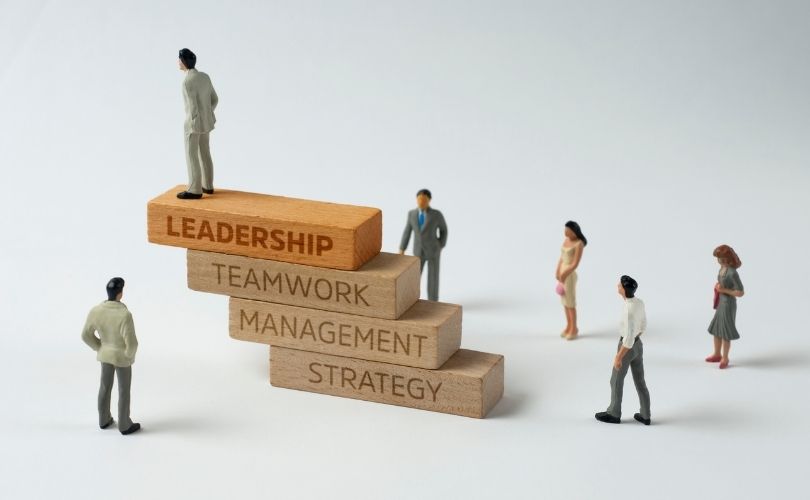
Being brilliant on the tools does not automatically make you a good leader, and that catches a lot of business owners off guard. The skills of the trade got you started. Leadership is what gets your business past five or six vehicles.
A lot of tradespeople assume that if they are the best plumber, electrician, or builder in the team, everyone should naturally follow their lead. In practice, professional trade skills and leadership skills are two separate disciplines. One is about doing the work. The other is about getting a group of people to do consistently good work without you standing over them.
Communication Is the Foundation, Not a Nice-to-Have
Every study on effective teams comes back to the same conclusion: communication matters more than who is on the team. That holds true whether you are running a two-man plumbing outfit or a ten-vehicle electrical firm.
Good communication with your team looks like this in practice:
Set clear expectations at the start of every job, not halfway through when something goes wrong. Give feedback quickly, whether it is a well-done or a course correction, rather than saving it up for a formal review nobody has time for. Make sure your engineers know exactly what to do if something goes wrong on site, so they are not left guessing or calling you every twenty minutes.
Clear communication also protects you when mistakes happen. If someone makes an error, the goal is to understand what happened and fix the process, not to lay blame. Teams that trust their leader to react calmly are far more likely to flag issues early, before they turn into a bigger problem or a customer complaint.
Build Systems So You Are Not the Bottleneck
One of the clearest signs of weak leadership in a trades business is an owner who has to approve every quote, check every job, and answer every question personally. It feels like control, but it is actually a bottleneck. If the business cannot run without you physically present, you have not built a business. You have built a very demanding job.
This is where trading business management becomes a leadership skill in its own right. Clear systems for booking jobs, tracking compliance, and managing invoicing take decisions out of your head and put them into a process your team can follow without asking you first. The best leaders are not the ones who solve every problem personally. They are the ones who build a structure clear enough that most problems solve themselves.
If you are unsure where your own systems are weakest, our free 15-Point Operations Audit takes ten minutes to complete and shows you exactly where the gaps are.
Delegate Properly, Not Just in Theory
Delegation gets talked about constantly, but most owners still hang onto tasks they should have handed over months ago. Real delegation means giving someone the authority to make a decision, not just the task of doing the work while you check every step.
A useful approach is to ask your team to bring you a proposed solution rather than just the problem. Someone who has to think through an answer before coming to you learns faster than someone who simply waits to be told what to do. Over time, this builds a team that can manage the day-to-day without leaning on you for every small decision.
Know Your Numbers
Leadership without visibility is just guesswork. If you do not know your revenue, your margin, or which jobs are actually profitable, you cannot lead your team toward the right priorities. This is one of the most common gaps we see in small trades businesses. The technical work is excellent, but nobody has a clear read on utilisation, job costs, or which months are typically quieter than others.
Getting a grip on your numbers does not need to be complicated. Even a basic monthly review of jobs completed, revenue per engineer, and outstanding invoices gives you enough to lead with confidence rather than reacting to whatever feels urgent that week.
The Best Trade Skill to Learn Right Now Might Not Be a Trade Skill
If you are picking your next area of professional development, the best trade skill to learn is often not a technical one. It is the ability to lead a team, communicate clearly, and build systems that do not depend entirely on you. These are the skills for trade business owners specifically, not tradespeople in general, and they are the ones that determine whether a one-man operation eventually becomes a five, ten, or fifteen vehicle business.
Practical Business Tips for Tradespeople Who Want to Lead Better
A few habits consistently separate trades businesses that scale from those that stall:
Hold a short weekly check-in with your team rather than relying on ad hoc conversations throughout the week. Write down your expectations for quality, punctuality, and communication so new starters are not guessing. Celebrate wins, even small ones, since recognition costs nothing and keeps morale high. Protect time each week to work on the business rather than purely in it.
These are simple business tips for tradespeople, but very few owners actually build them into a routine. The ones who do consistently report that their team runs smoother, their callbacks drop, and they personally have more breathing room.
Growing Your Team Without Losing Control
If you want to grow tradesmen business operations beyond what you can personally oversee, leadership and structure have to grow together. Adding vans and engineers without the systems to support them just multiplies the chaos. Adding structure first means growth actually sticks, rather than creating a bigger version of the same problems you already have.
Where TradeOps Fits In
Good leadership needs headspace, and headspace is exactly what gets eaten up by invoicing, compliance tracking, and admin that has nothing to do with running your team. At TradeOps Solutions, we handle the back office so trades business owners can spend their time leading people rather than chasing paperwork.
If you want a clear picture of where your own operations are costing you time, our free 15-Point Operations Audit is a good place to start. It takes ten minutes and gives you a straightforward breakdown of what to fix first.
If you already know your business needs a proper outsourced operations department, skip the audit and book a free 30-minute call with Lindsay. We will walk through where things stand and show you exactly how we can help.